303d CAMPAIGN
MAJOR DONORS
RIVER GUARDIAN
Boeing Global
Corporate Citizenship
Chesapeake Bay Trust
Trish Cole & Susan Grier
Cove Point Natural
Heritage Trust
David A Reumont CPA PC
Bob Lewis & Merideth Taylor
National Fish &
Wildelife Foundation
RIVER STEWARD
Mary Barber & Kurt Von Kann
Philip & Cookie Barber
Gail & John Harmon
Beverly & Brooks Jackson
Chip & Emily Jackson
Herbert M. & Naomi Leavitt
Family Charitable Trust
Shep & Pat McKenney
Patrick & Jean Murphy
Tony & Bozena Pait
Cynthia & Mike Pototsky
Tidewater Dental
DONORS FROM PRIOR YEARS:
Ann & David Allen
Abel & Doris Dominguez
Jon Farrington
Suellen & Bruce Keiner
Tom & Joan Lawrence
Jeffrey & Julia Nichols
Richard Holden & Susan Nash
Judy O'Brien & John and
Steve & Holly Snyder
RIVER FRIEND
Karen Abrams & Jim Kenney
Joe Anderson & Jane Rowe
Andy & Sandy Anderson
Bob & Joanne Boxwell
Cynthia Broyles
Jeff & Beth Byrd
Raymond Cannetti & Julia King
Dudley & Georgia Chase
Carl & Franziska Dubac
Merl & Susan Evans
Bill & Kathryn Fry
John Giusti & Sherry Stanley
Laraine & Bill Glidden
Bonnie Green & William Edgerton
Shelby & Eugene Guazzo
Jim & Suzanne Hardin
Larry Haskell
Jerry & Linda Himmelheber
Allan & Macy Hovland
Tom & Deborah Howard
Emily & Charles Jackson
Barb & Owen Lewis
Bob & Jean Maddox
Philip Margolius
John & Julie McAllister
Dana & Mac McGarity
Peter & Susan Messitte
Fred Millhiser
Bill & Carol Moody
Karen & James Nutter
Thomas Oakley
Robert & Patricia Parkinson
Lawrence & Susan Polsky
Jordan & Elizabeth Price
Mr. Stephen Ridpath
Donna & Charles Sasscer
Shannon Schmidt
Kenneth & Brenda Songy
Chris Tanner & Jean Illingworth
Brian Tarleton
Ted & Amy Warren
Tom & Katie Watts
Gary & Linda Williams
Christine Wray & John Felicitas
303 d Campaign for a Clean River
River Guardian - $1,303 River Steward - $303 River Friend - $103* * * * * * * *
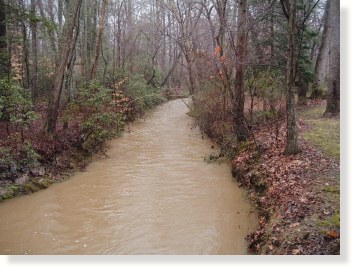
SMRWA Vows to Clean Up River
Have it Removed From EPA's List
303 d Campaign for a Clean River
River Guardian - $1,303 River Steward - $303 River Friend - $103
* * * * * * * *